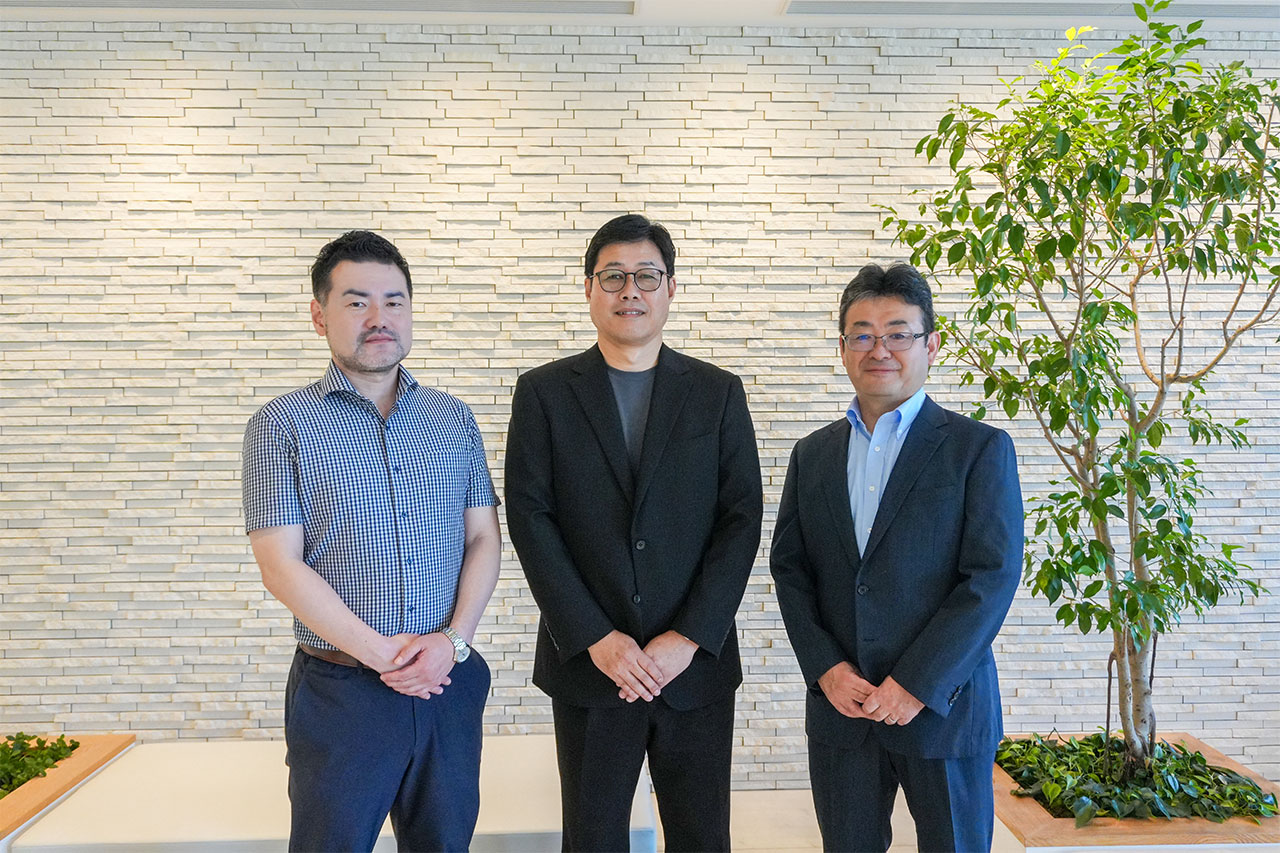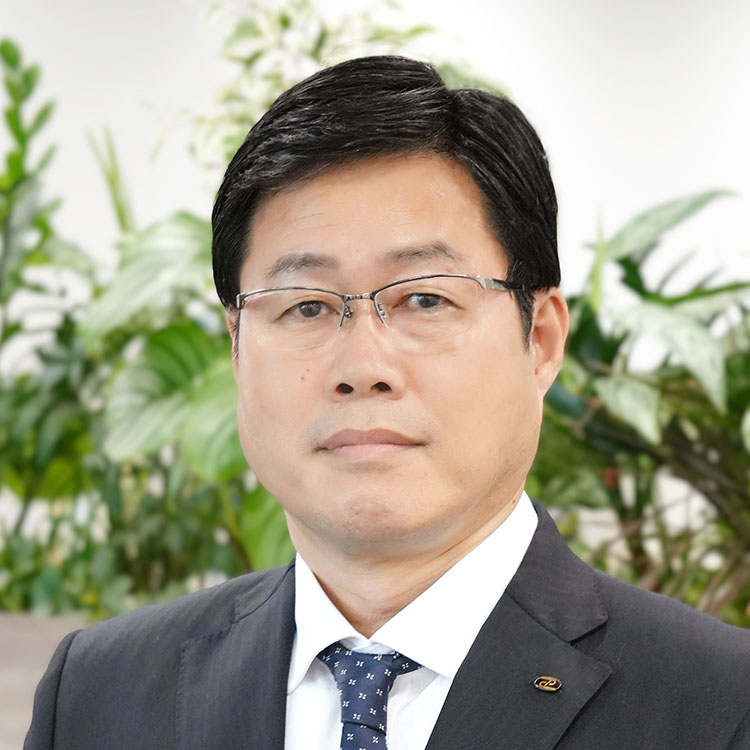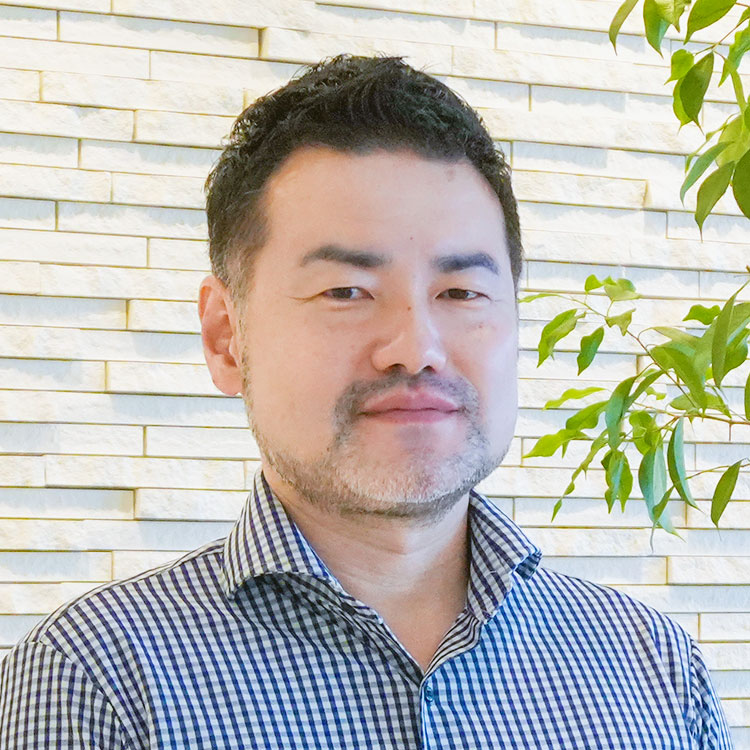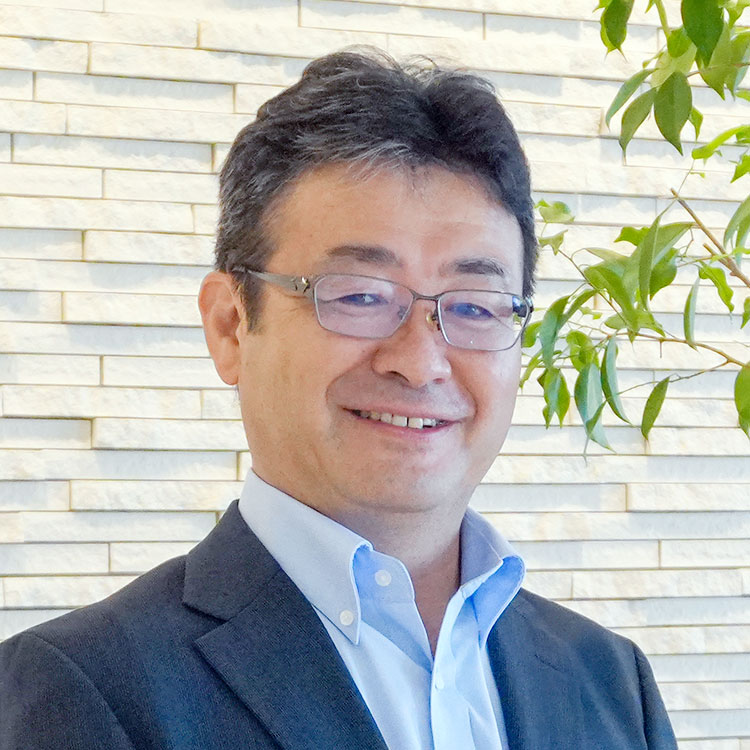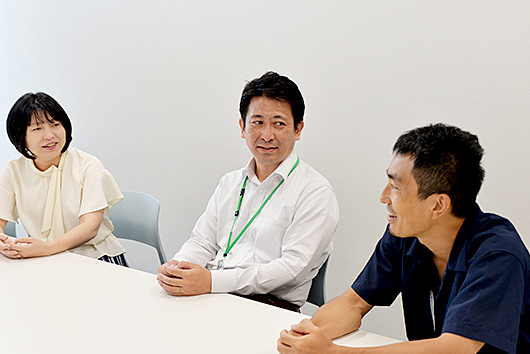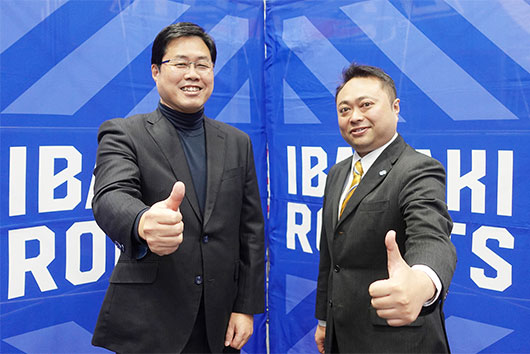

The Technical Research Institute under the Advanced Technology Center of PACIFIC CONSULTANTS (Tsukuba Research Center), located on a vast site and equipped with state-of-the-art research and experimental facilities, works alongside PCER - a group company to conduct and environmental surveys and analyses. We asked three individuals— Makoto ICHIYAMA, Director of Tsukuba Research Center; Naoya KATAYAMA, General Manager of Hydraulic Test Laboratory, Watershed Structure Dept., Land Infrastructure Div. of PACIFIC CONSULTANTS; and Toshihiro KOSUGE, President and Representative Director of PCER—to discuss their integrated approach of PACIFIC CONSULTANTS GROUP, from research supported by the company’s unique comprehensive capabilities through to societal implementation.
INDEX
- Tsukuba Research Center was established in 1984, and PCER started in 1990
- Collaboration is leading to the creation of significant value
- I want to contribute to the development of the region
- As a cutting-edge research institute, we will disseminate new technologies to the world
Tsukuba Research Center was established in 1984, and PCER started in 1990
— First, could you give us an overview of each organization?
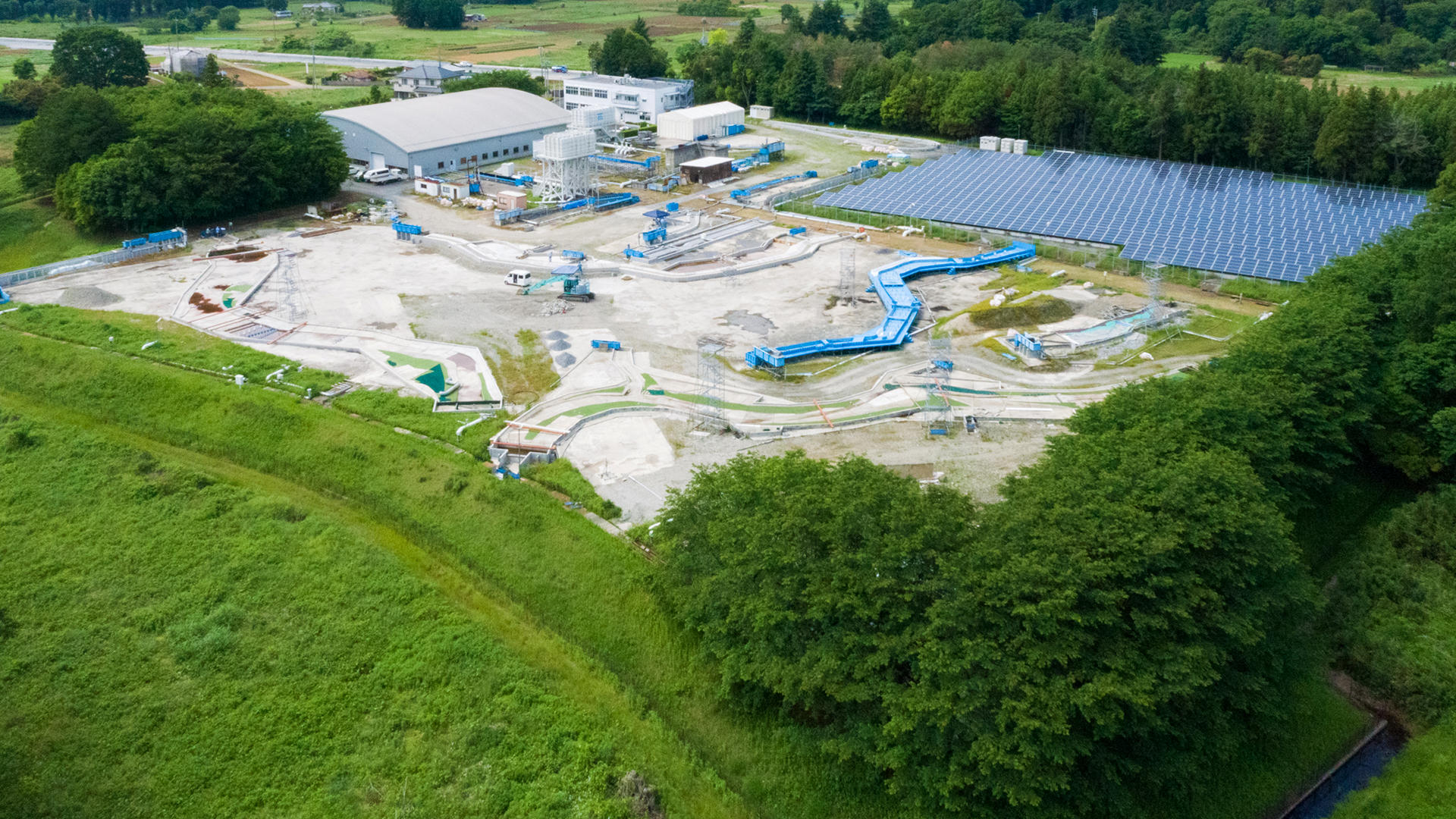
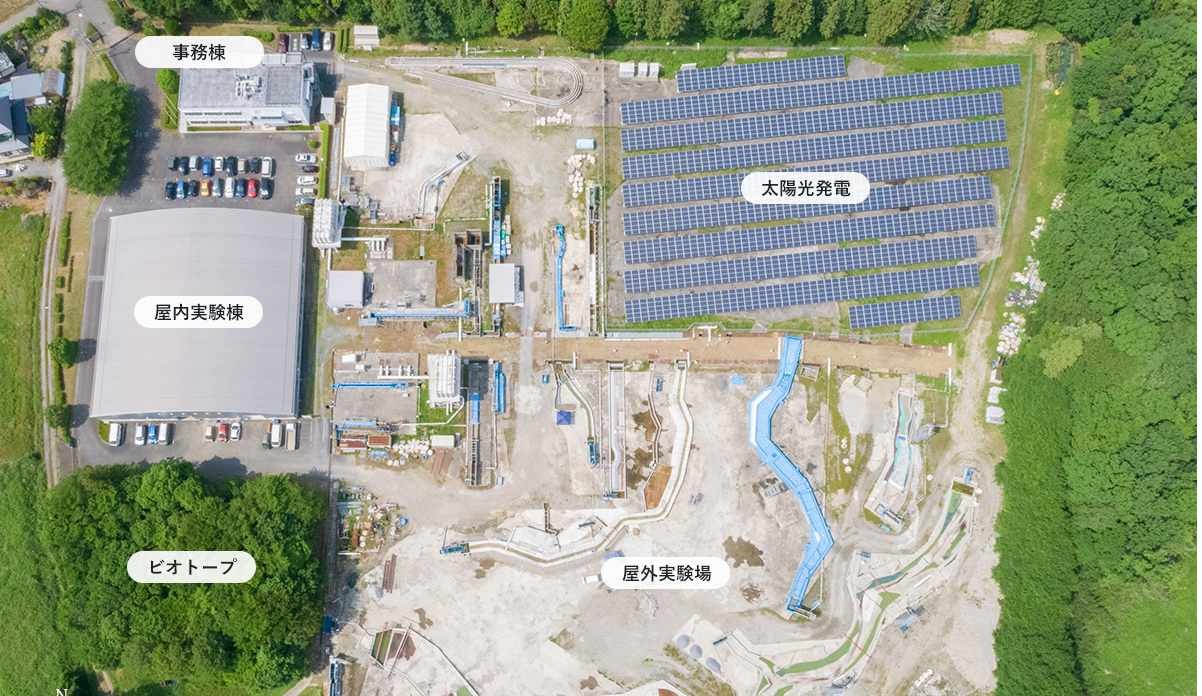
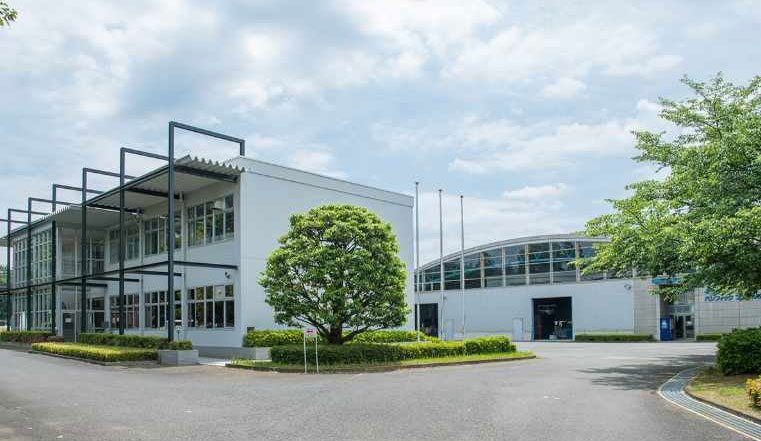
ICHIYAMA: The predecessor of Tsukuba Research Center was a hydraulic experimental station established in 1979 on a site of about 1 hectare in the suburbs of Maebashi City, Gunma Prefecture. Five years later, in 1984, seeking a larger plot of land, we secured approximately 2 hectares at the current site and established it as the "Tsukuba Experimental Station." and in October 1987, to accommodate larger-scale experiments, the site area was expanded to approximately 4 hectares. Subsequently, in 2001, we established environmental analysis laboratory related to air, water quality, sediment, soil, odor, and pesticides, and changed the name to the "Tsukuba Research Center" which it remains to this day.
— PCER joined it in the middle way, right?
KOSUGE: The current PCER has its origins from PCE Co., Ltd. and PaciCon Tsukuba Research Co., Ltd., which were established in 1990 as support companies for PACIFIC CONSULTANTS GROUP. The PaciCon Tsukuba Research was established as a specialized company responsible for model making and conducting Hydraulic Model Experiment for PACIFIC CONSULTANTS, and has been conducting business based at Tsukuba Research Center. On the other hand, PCE was established as a company that handles specialized survey and analysis work in the environmental field, and has been in charge of surveys of living environment surveys such as air, noise and vibration, etc. and natural environment surveys related to plants and animals, ecosystems, and water quality analysis. Then, in 2014, the two companies merged to form the current PCER. Currently, we continue to provide comprehensive services ranging from the reproduction and analysis of phenomena using Hydraulic Model Experiment to surveys and analyses of living and natural environments, and even proposals for necessary countermeasures. PCER's greatest strength lies in its combination of one of the few large-scale Hydraulic Model Experiment facilities in Japan and specialized survey and analysis techniques in the environmental field, enabling it to conduct experiments, research, and consulting in collaboration with the advanced technologies of PACIFIC CONSULTANTS GROUP.
KATAYAMA: Hydraulic Model Experiment cover a wide range of fields, including rivers, dams, erosion control, sewage systems, and ports. For example, we are continuously working on projects related to the undergrounding of the Nihonbashi section of Metropolitan Expressway and the Chuo Shinkansen maglev line, so you may be able to feel closer to our work. The undergrounding of Nihonbashi is a project that will proceed in the heart of the city, so there is no room to create construction yards around it. Therefore, it will have to be set up within the river channel. In that case, we are conducting model experiments to examine how much the water level will rise and what can be done to prevent it from rising too much. We have also conducted repeated model experiments to confirm the flood control safety of the Tenryu River Bridge for the maglev Shinkansen.
KOSUGE: In the large-scale road collapse accident that occurred in Yashio City in January 2025, efforts were made to lower the water level by disinfecting a portion of the sewage and then emergency releasing it into the river to facilitate rescue operations. PCER conducted daily water quality tests to assess the impact, and received letters of appreciation from Ministry of Land, Infrastructure, Transport and Tourism and Saitama Prefecture for this work.
ICHIYAMA: In addition to Hydraulic Model Experiment and analyses of various environments, we are also making use of our large site to work on various technological developments, such as demonstrations of LiDAR measurement using drones and experiments with autonomous driving.
Collaboration is leading to the creation of significant value
— How exactly do Pacific Consultants and PCER collaborate?
KATAYAMA: In the field of hydraulic experiment, which is my specialty, it's common for PACIFIC CONSULTANTS to receive orders for experimental work and then subcontract it to the Hydraulic Experiment Department at PCER, where they handle model design and fabrication support, as well as experimental and measurement support. At the PACIFIC CONSULTANTS side, they create the experimental plan and evaluate the experimental results, but the cooperation from PCER is essential for conducting the experiments. Since we're in the same building, we meet and discuss the matters face-to-face every day. Experiments can't be done without PCER, and we can't receive orders for experimental work without us. We're truly inseparable. When conducting experiments, a lot of manpower is needed, so we receive support from PCER members at various stages, from model fabrication to experimental preparation and measurement work.
— While IT technologies such as AI-based analysis and 3D simulations are advancing, there is still significant value in Hydraulic Model Experiment, isn't there?
KATAYAMA: While many consultants rely on numerical analysis on paper to arrive at answers, we also utilize hydraulic experiments in our investigations. While numerical analysis techniques have certainly advanced significantly, there is great value in reproducing phenomena through Hydraulic Model Experiment and directly observing them. Even if calculation results are neat or simulations seem plausible, determining whether they are truly accurate is not easy. However, by faithfully reproducing the terrain with a model, we can see the actual phenomena unfolding before our eyes. This eliminates the need for complex explanations and allows for faster decision-making. Of course, the precision of the model and experimental equipment is crucial for this, and PCER's model-making technology is exceptionally high, providing peace of mind.
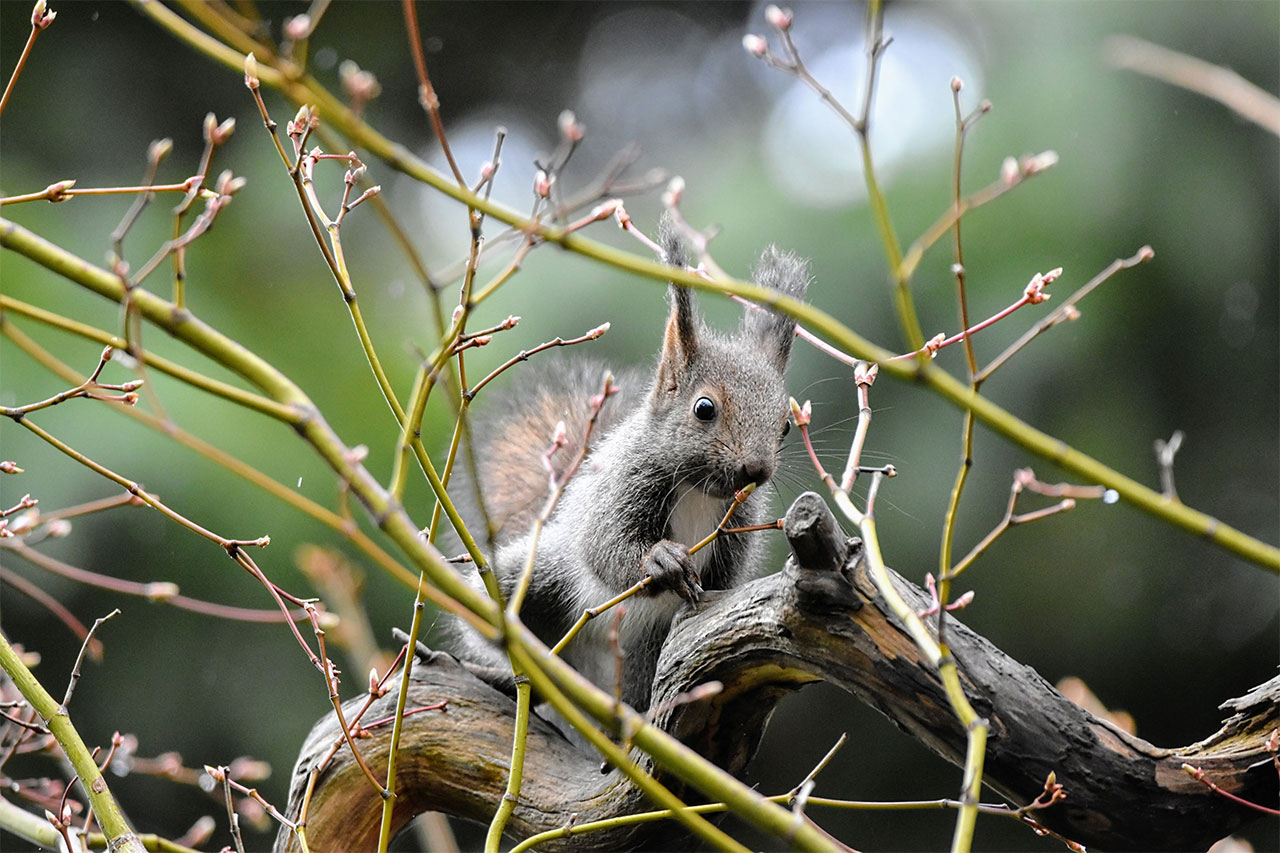
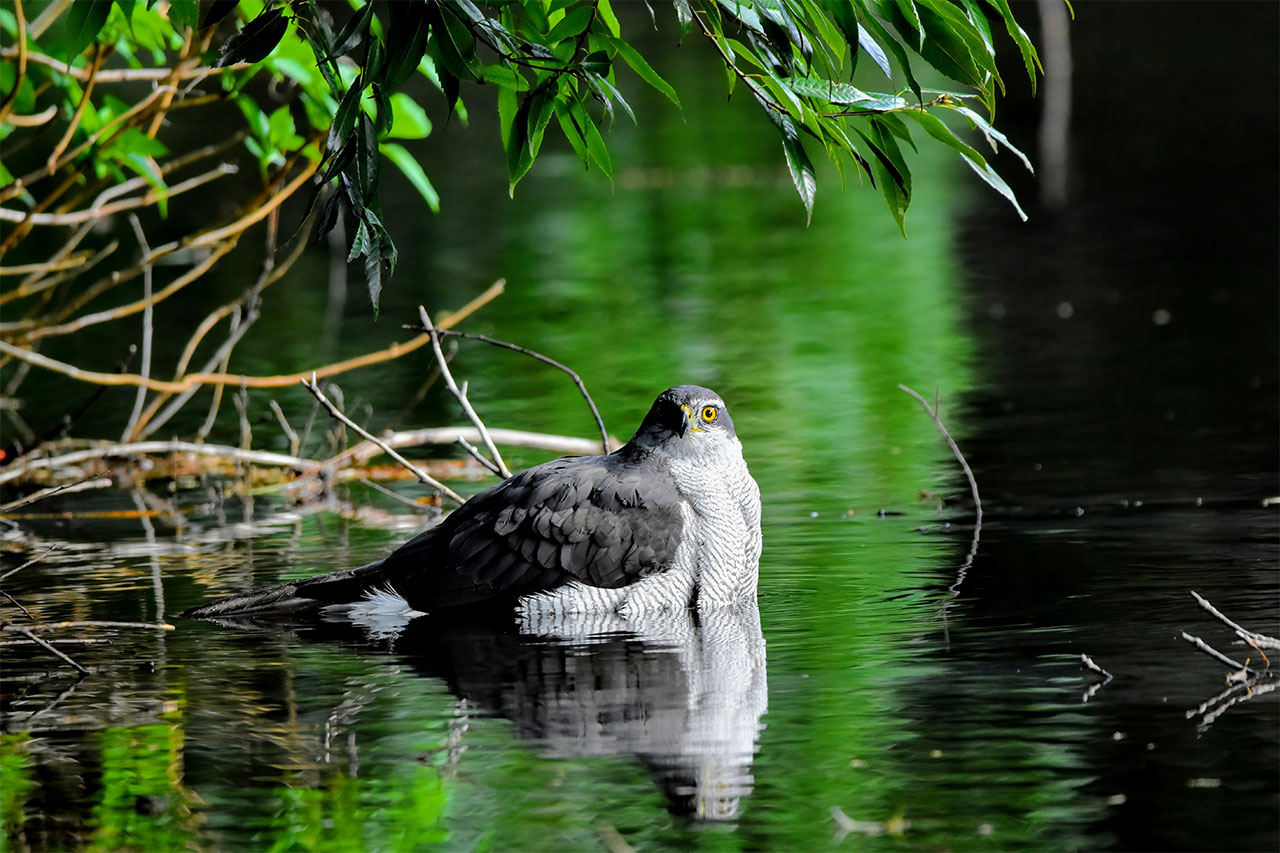
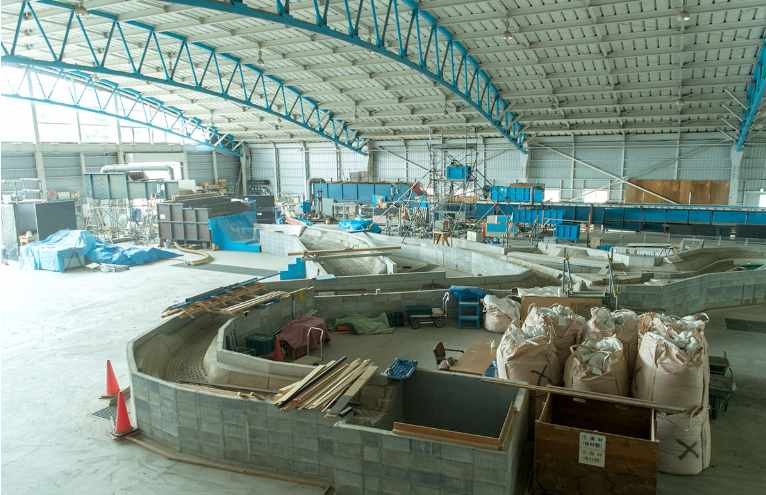
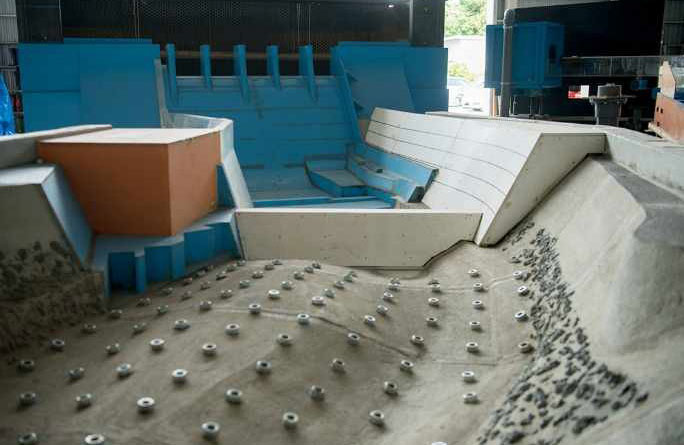
KOSUGE: Based on the results of on-site surveys, for example, if it's a river, we mold it with mortar, but the river channel has accumulated sand and soil, creating resistance, and there are trees and grass growing on the slopes and riverbeds. We also use different materials to recreate the same resistance physically, thereby improving the accuracy of the model. We also check whether the completed model can reproduce the same water level under the same conditions, based on trace water levels observed on-site. Furthermore, for the surveys of flora and fauna, we have experts in mammals, birds, insects, fish, plants, and even spiders.
Photography: PCER Co., Ltd., Sota SUZUMURA
Photography: PCER Co., Ltd., Sota SUZUMURA
We also have specialists who analyze living environment factors such as noise and water quality. A key feature is not only having diverse experts within a single company, but also being able to take a comprehensive, cross-disciplinary view. Furthermore, because PCER is not a large company, it has the advantage of quick decision-making and the ability to experiment with various things, which I believe contributes to our strong collaboration with Pacific Consultants.
I want to contribute to the development of the region
— You're also actively pursuing projects that contribute to the local community, aren't you?
ICHIYAMA: We are a sponsor of the Ibaraki Robots, a professional men's basketball team (B.League), and we provide support such as helping the local special support needed schools attend the games. It's not just about financial support; we're thinking about what we can do together with the Robots to nurture the local community and liven up the region. We also hold an annual open house event called "Tsukuba Festival." Employees, their families, local residents, and children gather to enjoy facility tours, technology exhibits, and recreational activities. The number of children in the local area has decreased significantly, but we want to convey the joy of observation and learning, as well as the value and excitement of working locally. In 2022, a municipal high school in Yamagata Prefecture became interested in Tsukuba Research Center after seeing its website, and that led to the Tsukuba Research Center becoming one of the destinations for their first-year students' career education training trip. We continue this every year, and in addition to letting them tour the center, we also actively share information about the meaning of work. We ourselves hadn't realized it, but we sometimes hear from local residents that it's reassuring to know that a company like PACIFIC CONSULTANTS exists, and that even just seeing the lights on in the building gives them a sense of security. We want to live up to these expectations and trust from the community more than ever before.
As a cutting-edge research institute, we will disseminate new technologies to the world
— Could you tell us about the future prospects of Tsukuba Research Center and PCER, respectively?
KATAYAMA: The value of being able to directly observe the phenomenon itself is immense, and the importance of Hydraulic Model Experiment remains unchanged even in the age of AI. In fact, the number of orders we receive continues to increase. You might think that AI is smarter and experiments are more hands-on, but once you experience it, you'll understand the appeal Hydraulic Model Experiment. I vividly remember Hydraulic Model Experiment I conducted 20 years ago, where I directly observed the phenomena and went through trial and error. I want to pass on this appeal, along with everything we've accumulated at the research institute, to the younger generation.
KOSUGE: I hold two positions both at PACIFIC CONSULTANTS and PCER, and what's important when working in a large company is the ability to bridge the gap between different fields. The technical skills to build experimental equipment and conduct thorough research are very high, but I believe it's important not to confine them to a narrow area of expertise, but to broaden one's perspective by bridging the gap between different fields. That's where you grow as an engineer. Also, there is a biotope within Tsukuba Research Center. The importance of biodiversity is being emphasized globally, and the government is also trying to address this issue in a cross-cutting manner. I want to update the biotope and promote the idea that this small green space in Tsukuba can contribute to the conservation of living things around the world.
ICHIYAMA: Currently, Tsukuba Research Center is not only conducting individual experiments and analyses, but also, as part of the Tokyo Cross Lab (an open innovation promotion project utilizing assets owned by large corporations, etc.) implemented by the Tokyo Metropolitan Government, has contracted with four startup companies and is supporting the development of new businesses based on cutting-edge technologies by providing research facilities and technological assets. However, the mission of the research institute is not limited to that. I believe that the research center has great value as a vessel, and that it is also a place to cultivate excellent engineers. In fact, the International Centre for Water Hazard and Risk Management (ICHARM), an international research base established within the Civil Engineering Research Institute sponsored by UNESCO, conducts training classes at Tsukuba Research Center every year. I think this is because the potential of the research institute is recognized. Furthermore, I would like to cultivate outstanding researchers and engineers while further enhancing the vessel, and deliver new technologies to the world from this research institute 40 or 50 years from now.
— I'm looking forward to it. Thank you for today.