
On Saturday, April 9, and Sunday, April 10, 2022, an event involving site visits and interviews related to the town’s recovery was held in Minamisanriku Town, Miyagi Prefecture. Through encounters and interactions with many residents of Minamisanriku Town, the two-day event provided each participant—whether from within the town or elsewhere—with an opportunity to reflect on the town’s past (“ Great East Japan Earthquake”) and its ongoing recovery. In this article, we’ll share what we saw of Minamisanriku’s “present” and the current state of the town through this event, and we hope that reading this will inspire as many people as possible to visit Minamisanriku in person.
INDEX
Industries that will revitalize Minamisanriku
■ Oizen Kamaboko Shop
Oizen Shoten, a long-established company founded in Meiji 13 that manufactures and sells “Oizen Kamaboko,” had its town-based factory swept away by the tsunami at Great East Japan Earthquake. The company quickly resumed operations at a temporary factory in the neighboring inland city of Tome, and six years after the disaster, built a new factory at its current location (in the Iriya district of the town). Not only is the new factory safe from the risk of being swept away by the Tsunami, but it also features numerous measures throughout the facility to deter wild animals and insects and ensure a comfortable working environment for employees. The Oizen Kamaboko Factory, which has a well-organized tour route, is reportedly a popular destination for school field trips and other educational visits by children. Oizen Shoten, which had focused its business strategy on souvenirs since its founding, embarked on a new challenge in response to the decline in tourists caused by the recent spread of Coronavirus Disease (COVID-19).
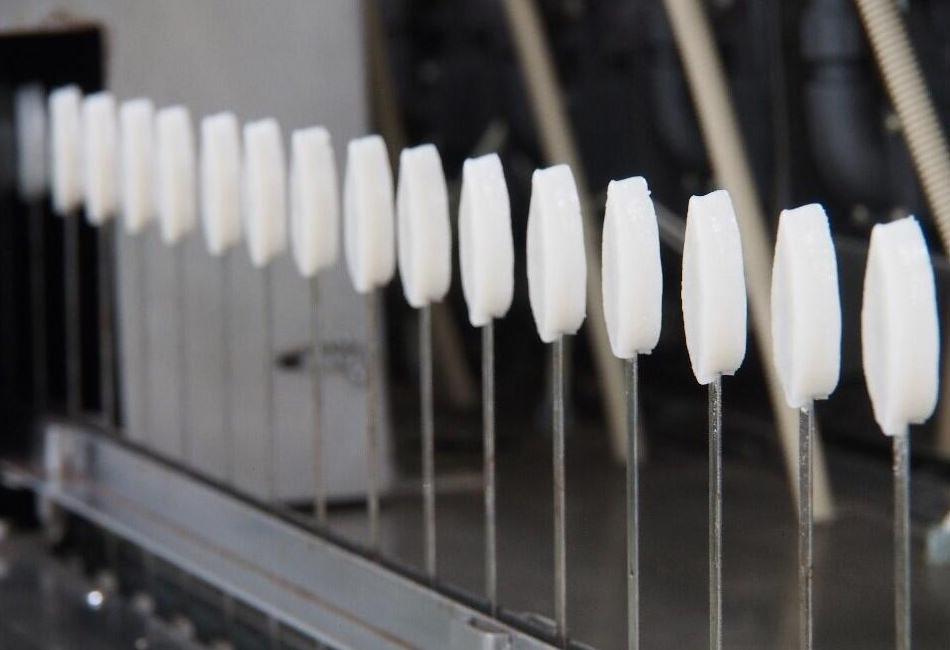
Adding new value to souvenirs
“The famous Sendai sweets ‘Hagi no Tsuki’ has a shelf life of about 10 days at room temperature. If we could make kamaboko that could be carried around at room temperature, we could offer our customers new value.” With this in mind, President Yoshiya OIKAWA reportedly decided to be a partner with a rival company to conduct research and development while sharing technical expertise. Through trial and error, they succeeded in producing kamaboko under sterile conditions without preservatives, successfully developing a long-life product that can be transported at room temperature.
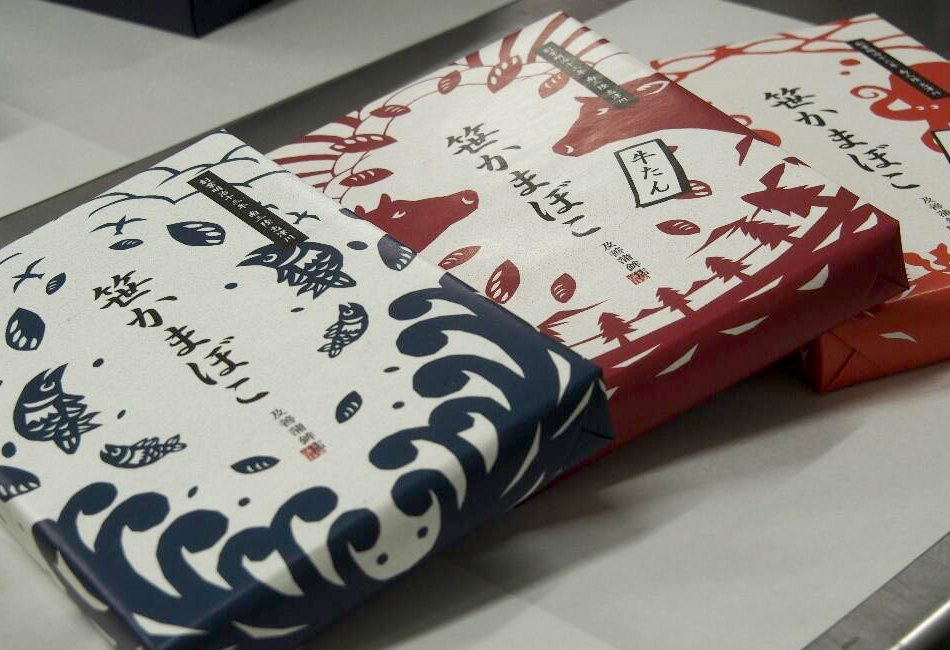
“Kamaboko is a high-protein, nutritious food that keeps well at room temperature, so it can be sent to disaster-stricken areas,” President OIKAWA states emphatically. I was impressed by how this idea stemmed from his own experience as a disaster survivor from Great East Japan Earthquake and his ability to overcome various hardships. I was also struck by how Oizen Shoten is actively engaged in food education and the SDGs.
■Minamisanriku YES Kobo
Minamisanriku YES Kobo is a workshop and retail space created by renovating a building that had been used as a special-purpose classroom at the now-defunct Iriya Junior High School. It serves as a place that contributes to the utilization of local forest resources and resource recycling, while also creating new industries and employment opportunities for the town and providing a venue for people to connect. This initiative was started by Tadayoshi ABE, a former town government official after he took early retirement after the Great East Japan Earthquake and then Takehiro OMORI, a native of the town who had been working for a company in Tokyo, returned to his hometown and joined the workshop’s activities in 2012; he currently serves as the Representative of Board of Directors. At the Minamisanriku YES Kobo, led by their mascot “Octopus-kun,” the shelves were lined with a wide variety of handmade goods brimming with the warmth of locally sourced wood such as crafts made from silkworm cocoons which were all created with the love and ingenuity of the workshop’s staff.
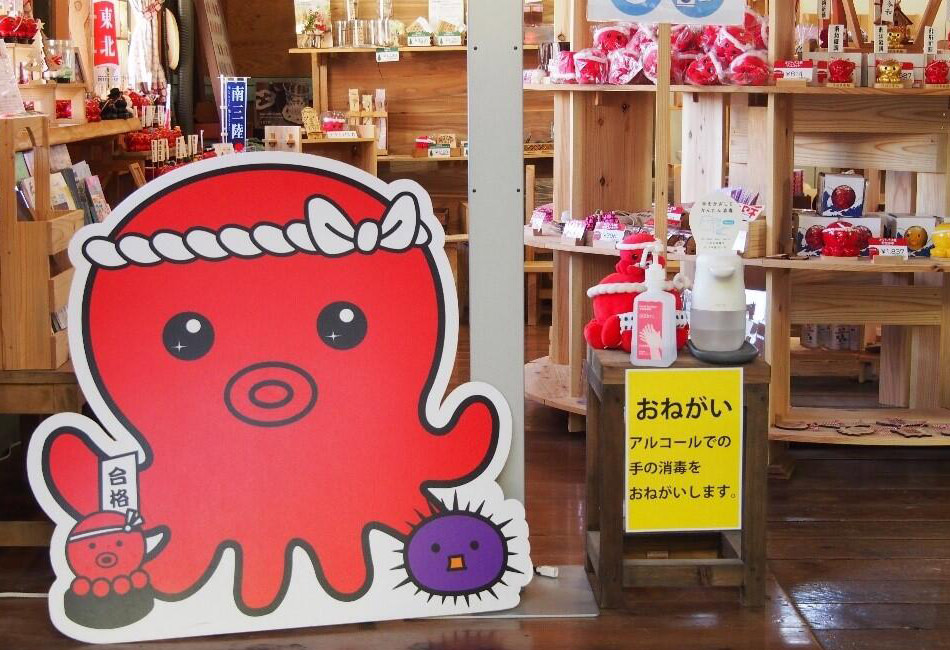
The world of the mascot character “Octopus-kun” embodies the philosophy of Representative of Board of Directors, OMORI: “Offering laid-back support to those who are doing their best. In today’s society, where information flies in every direction, people often feel that no matter how hard they try, it’s not enough, or that being told to "do your best" can become a source of pressure. This worldview was born from Mr. OMORI’s own experience as one of the last generation of the “employment ice age”—a time when job hunting was even more difficult than preparing for college entrance exams—and aims to give people the strength to keep going by offering “laid-back support” and “watching over them gently” without pushing them too hard.
I want to change the revenue structure of the forestry industry
“How much do you think a single cedar tree—50 years old, 18 meters tall, and 30 centimeters in diameter—is worth? Based on current market value, it’s only 5,000 yen,” says Mr. OMORI. Although properly managed forests protect towns from disasters, absorb CO₂, store water, and are indispensable to our lives, the number of people working in the forestry industry continues to decline. Precisely because we live in today’s information society. Mr. OMORI and the workshop team are working to add value to trees priced at 5,000 yen each and ensure they reach those who want them. To this end, they host “wood education” workshop—which they see as opportunities to help people learn about the mountains—and plan and develop various products that bring people closer to wood. They also expressed their desire to raise awareness of their workshop as a place for craftsmanship.
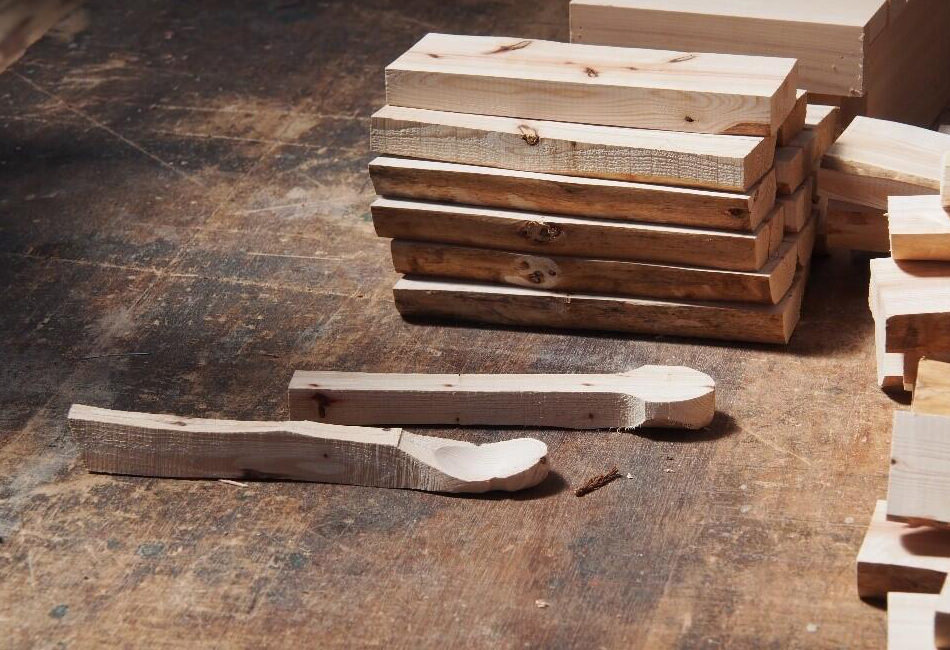
I was impressed by how passionately everyone at Minamisanriku YES Kobo and Oizen Shoten is promoting initiatives that are strongly focused on SDGs and contributing to society.
People I met in Minamisanriku
The former deputy mayor and the storyteller who was a high school student at the time
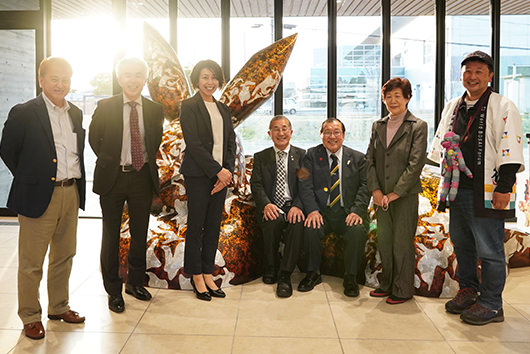
We asked Mr. Kenji ENDO, former deputy mayor, and Mr. Keiji SATO, a storyteller who was a student at Shizugawa High School at the time, about their experiences during the earthquake, immediately afterward, and from the disaster to the present day. “I felt firsthand that it is possible to lose everything in an instant,” Mr. ENDO told us. The storyteller, Mr. SATO shared, “My grandfather encouraged me to go to college so that I could build the skills to contribute to the town in ten years’ time, with a view toward the next twenty years.” The stories of these two men—who were in completely different positions and generations both at the time of the disaster and now—truly struck a chord.
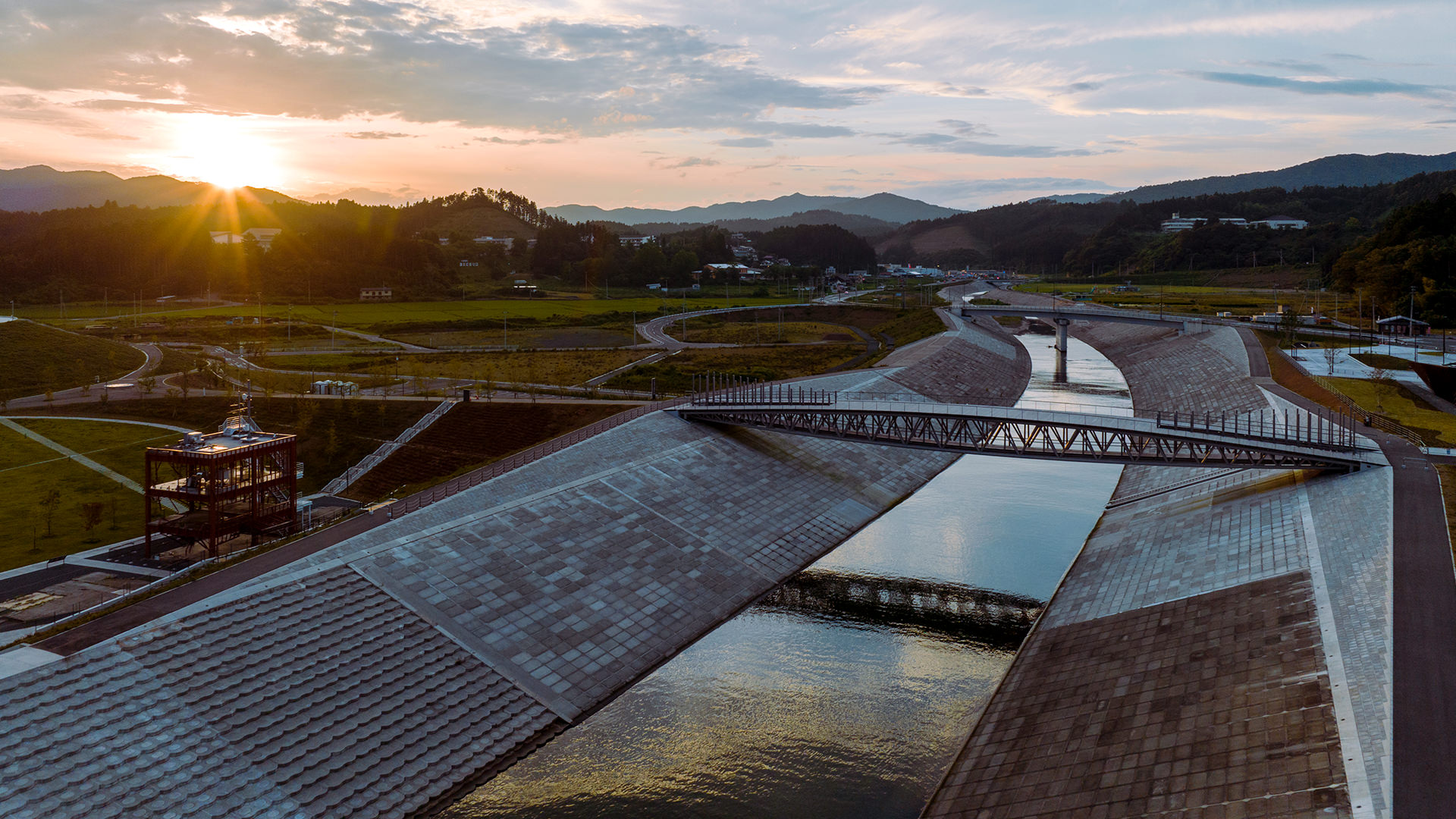
Because Minamisanriku Town has been suffered from Tsunami damage numerous times throughout its long history, residents’ awareness of disasters and preparedness before the Great East Japan Earthquake have been well-established for some time. Disaster impact estimates and hazard maps have been distributed to every household, and efforts to strengthen volunteer disaster response organizations and implement a registration system for people requiring special assistance during disasters have progressed, and the town has also taken significant measures on a town-wide basis, such as installing evacuation route signage, the remote control of floodgates, etc. Despite these circumstances, why were so many lives lost? Everyone believed they had responded adequately, just as they had been trained, but the earthquake and Tsunami struck on a scale beyond anyone’s imagination, and that was not the case. For example, I heard that people who had evacuated to high ground and were looking out at the sea with a sense of relief were suddenly struck from behind by a Tsunami that had surged up the river. Now, when you climb to higher ground, the view below is of a new town where reconstruction is well underway: the ground has been raised, and both the riverbanks and the river itself have been beautifully restored. Seeing a town that looks completely different from the pre-disaster scenery in photographs fills me with a sense of heartbreak when I think of the residents who have lived in this area for so long.
Feelings I want to convey
Mr. ENDO, a former deputy mayor, was swept away by the Tsunami and thought he might not survive, but he has survived so he is driven by a desire to continue sharing this experience. Mr. SATO, who was a high school student at the time, is motivated by the belief that her generation must lead the reconstruction and future development of Minamisanriku. Each, from their own perspective and in their own roles, thinks about Minamisanriku Town, as well as the people who live there and those who visit.
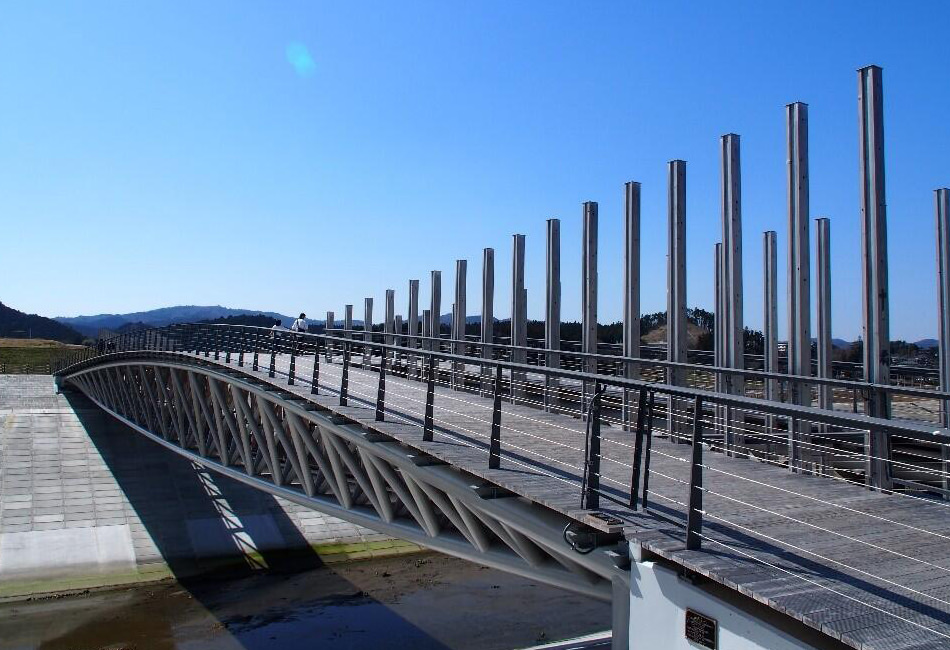
(Design: Pacific Consultants and Kengo Kuma & Associates Design Joint Venture)
We will report on the events of the second day in the next article.