
In 2020, it began with the COVID-19 pandemic, and even now, in the early autumn, there are no signs of it ending, and the response is expected to be long-term. It is said that it will be difficult to return to life as it was before the pandemic, and it is thought that in the future, we will need to transform our lifestyles and socioeconomic structures to coexist with COVID-19.
With this future in mind, several countries in Europe and North America have already implemented concrete measures, such as using parts of roadways as sidewalks to ensure social distancing for pedestrians and developing lanes for personal mobility devices like bicycles and kick scooters. In Japan, in June 2020, Ministry of Land, Infrastructure, Transport and Tourism presented a vision for road policy titled "By 2040, the Landscape of Roads Will Change – Roads that Lead to People's Happiness." While the development of this vision was not initially conceived with the "with-corona/post-corona" era in mind, the pandemic occurred and spread during the deliberation process. As a result, the final version of the vision includes policy directions that anticipate a "with-corona/post-corona" society.
As such, the national government has indicated a certain direction regarding road policy. However, considering that the "Introduction" to the above vision states, "We hope that this vision will be widely shared with relevant ministries and agencies, local governments, industry, universities and other research institutions, private organizations, etc., and that it will stimulate discussion, cooperation, and concrete initiatives among stakeholders, leading to further deepening of road policy," our company also engaged in discussions as a construction consultant regarding road policy.
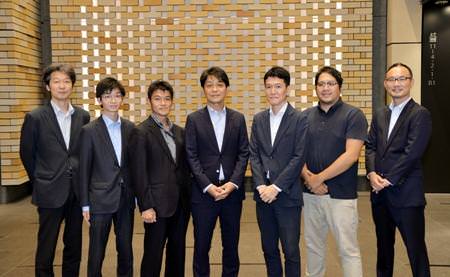
The discussions were conducted through a working group comprised of core members from our Road & Highway Dept. of Transportation Infrastructure Div. This working group reviewed the current situation and changes in the movement of people and goods during the COVID-19 pandemic, and systematically organized the expected changes in lifestyles and socioeconomic structures in the post-COVID era, using the "with-COVID" period as a starting point. Furthermore, based on these anticipated changes, we proposed road policies that would be useful in the post-COVID era.
Please note that this proposal is a summary as of October 2020 and is not considered final. Our efforts to coexist with COVID-19 have only just begun, and it is crucial to continue to develop flexible solutions in light of societal changes. We will continue discussions and will make announcements as they occur.
Road Policies We Propose in the Post-COVID Era
<Proposal 1>
In anticipation of the increase in personal mobility, now is the time for social consensus on the effective use (redistribution) of road space.
<Proposal 2>
To introduce and expand small-package logistics services using delivery robots and drones, we are considering a package approach that includes facility and equipment development, technological development, and legal frameworks.
<Proposal 3>
As the movement of people and goods becomes more diverse and fragmented, we need to consider developing and securing effective transfer/transshipment ports.
<Other>
Opening up big data related to road policy.
*The full text of the recommendations can be viewed in the PDF below.